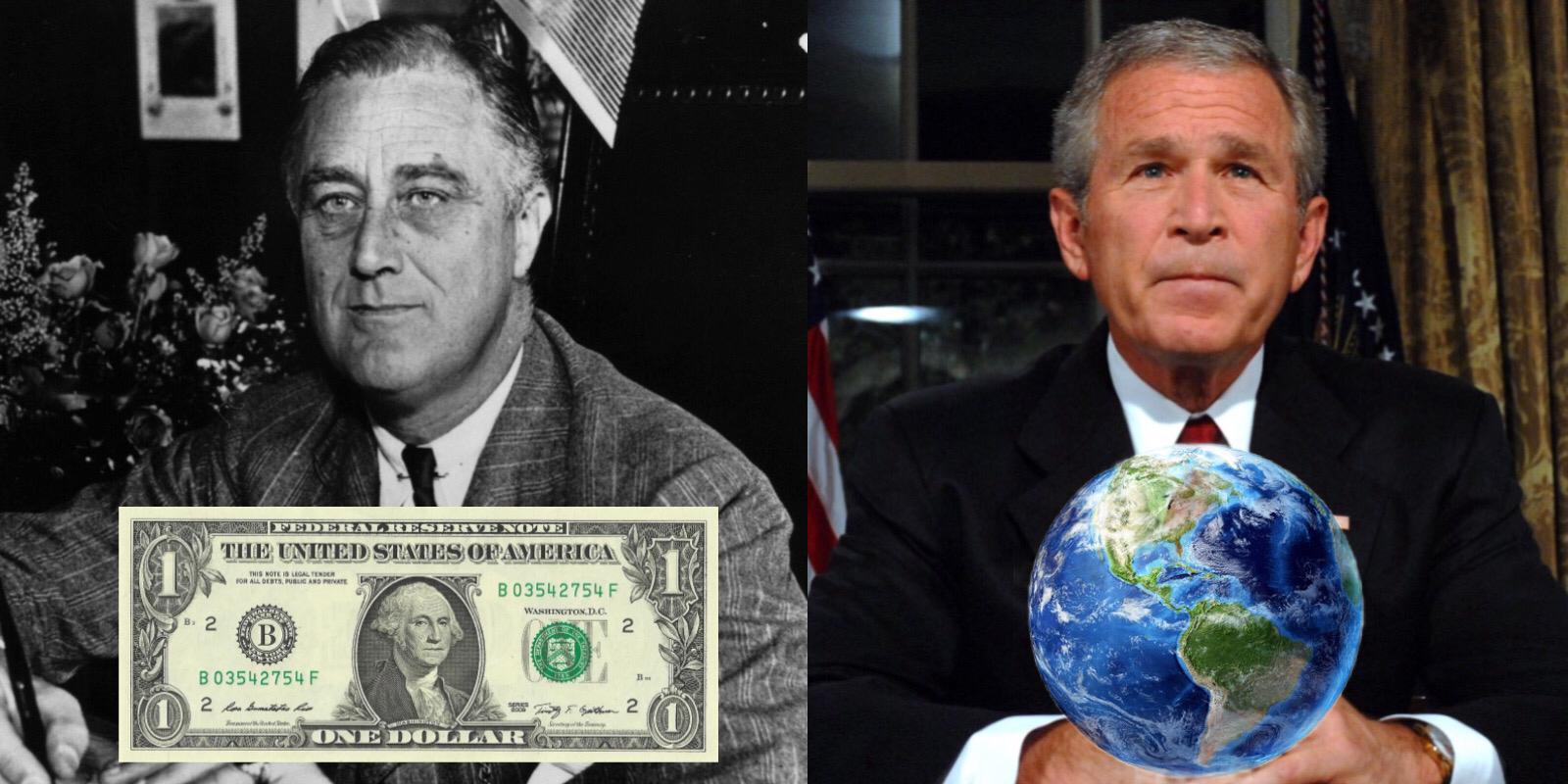
In order to win a presidential election, a candidate must have many factors balancing in their favour. As we shall discuss, a party must keep a coalition of voters willing to back the party on a number of matters which is a challenging task for any contender.
Economy

The economic status of the United States is constantly an issue in elections, serving as an Achilles heel for incumbent presidents.
One of the most illustrative examples was in 1932 when Franklin D. Roosevelt defeated Herbert Hoover amidst the Great Depression. At a time when one in every four workers was unemployed according to the Library of Congress and wage income fell by a similar percentage, Roosevelt’s New Deal policies of federal intervention led voters to flock towards the Democrats. FDR picked 42 states and 472 Electoral College Votes – it was a remarkable turnaround for the Democrats who previously won just eight states and 87 ECVs four years before.
Another notable example was 1992. Although George H.W. had attained the then-highest ever presidential approval rating throughout his tenure, by 1992 an economic double-whammy helped ensure his downfall. Not only had he introduced more taxes despite a famous pledge not to do so but an early ‘90s recession also harmed his re-election chances. Narrowly surviving primary challenges, the economic situation was a focus of the election, with the Clinton campaign famously running with the directive: “It’s the economy, stupid.”
Contrastingly, the economic boom by the mid-1990s meant Clinton was able to cruise to re-election in 1996 even in spite of unpopularity during his term. His win made him the first Democrat re-elected since FDR.
In the 21st century, Obama used the Great Recession as a feature of his campaign in 2008, sharing a number of economic gaffes made by his opponent John McCain. In the race, exit polling showed the economy was the top issue in the election amongst 62% of voters.
Leave a Reply