Third Parties

An outsider party can shake up a presidential race, perhaps impacting the results of an election.
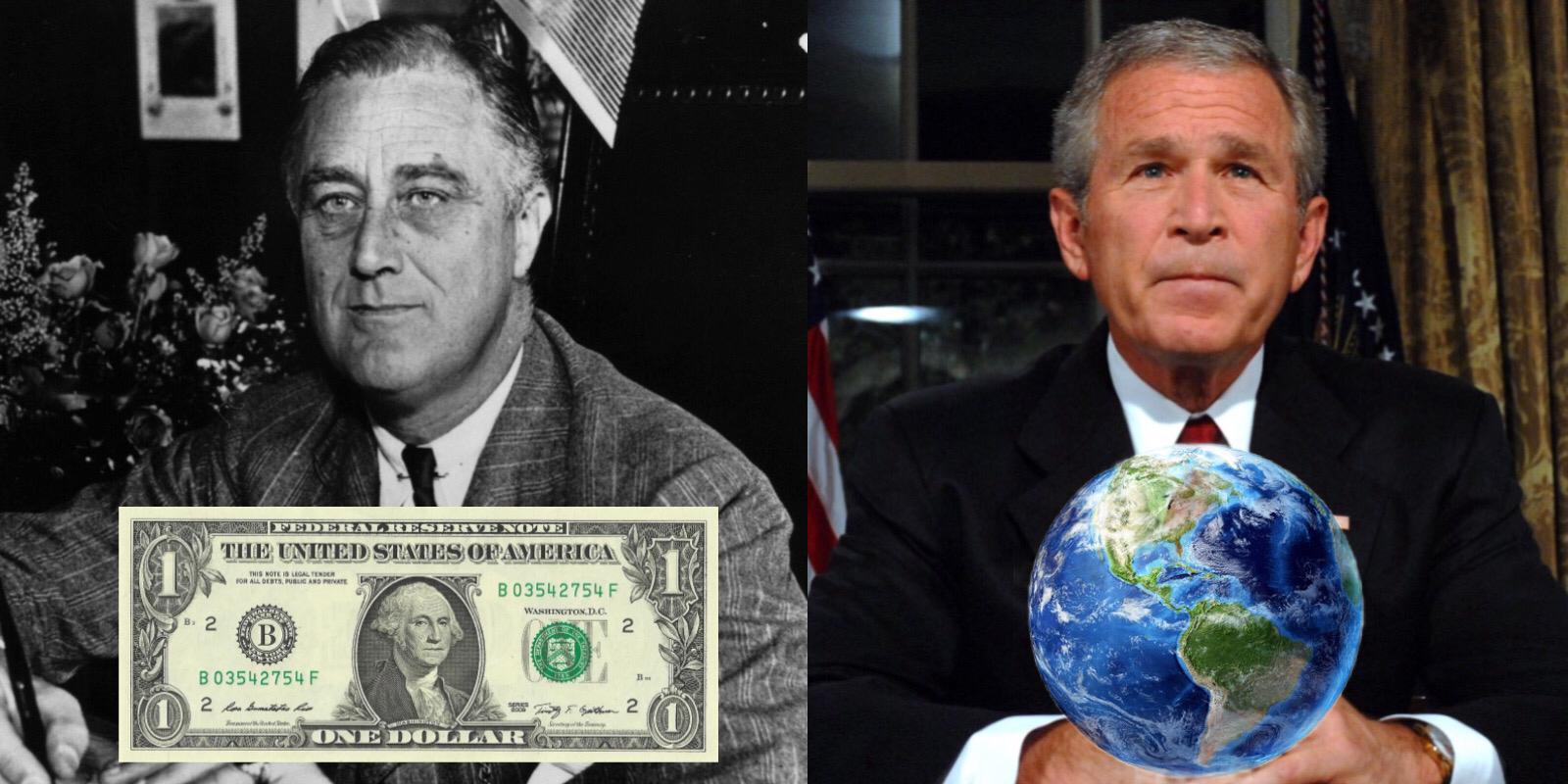
The most famous example comes from 2000. In the critical state of Florida, George Bush beat Al Gore in a state where the Green Party performed well. Of the Greens’s Ralph Nader’s 100,000 voters, had just 538 votes instead gone to the similarly-progressive Democrats, Gore would have been gifted the presidency.
In 1912, former President Theodore Roosevelt ran as the Progressive Party (or Bull Moose Party) candidate, splitting the vote with Republican William Howard Taft. Roosevelt did so after disapproving of his presidential successor and ran after he won 10/12 of the Republican primaries but was overruled by party bigwigs. With Taft having the worst performance in Republican history and for a presidential incumbent, the Democrats got a rare presidential election win, with Woodrow Wilson claiming victory in a landslide result.
In 2024, Robert F. Kennedy Jr.’s campaign has raised concerns. His candidacy has been cited as harming both President Biden and former President Trump, with the independent polling at about 10%, the highest third-party performance since 1992’s Ross Perot, himself described as having cost Bush that year although that verdict is inconclusive.
GRIFFIN KAYE.
Leave a Reply